

What Is Your Self-View—and Why Is It So Important?
There’s a version of you that shows up before you even say a word. It scans the room, decides whether you belong, whether you’re safe, whether you need to prove yourself—or stay quiet. Psychologists call this your self-view, and it quietly shapes how you interpret feedback, handle pressure, set boundaries, and even define success. If you’ve ever thought, “That’s just who I am,” this article invites you to look closer. Because the identity that once helped you survive might now be the very thing limiting your peace, your leadership, and your capacity to rest.
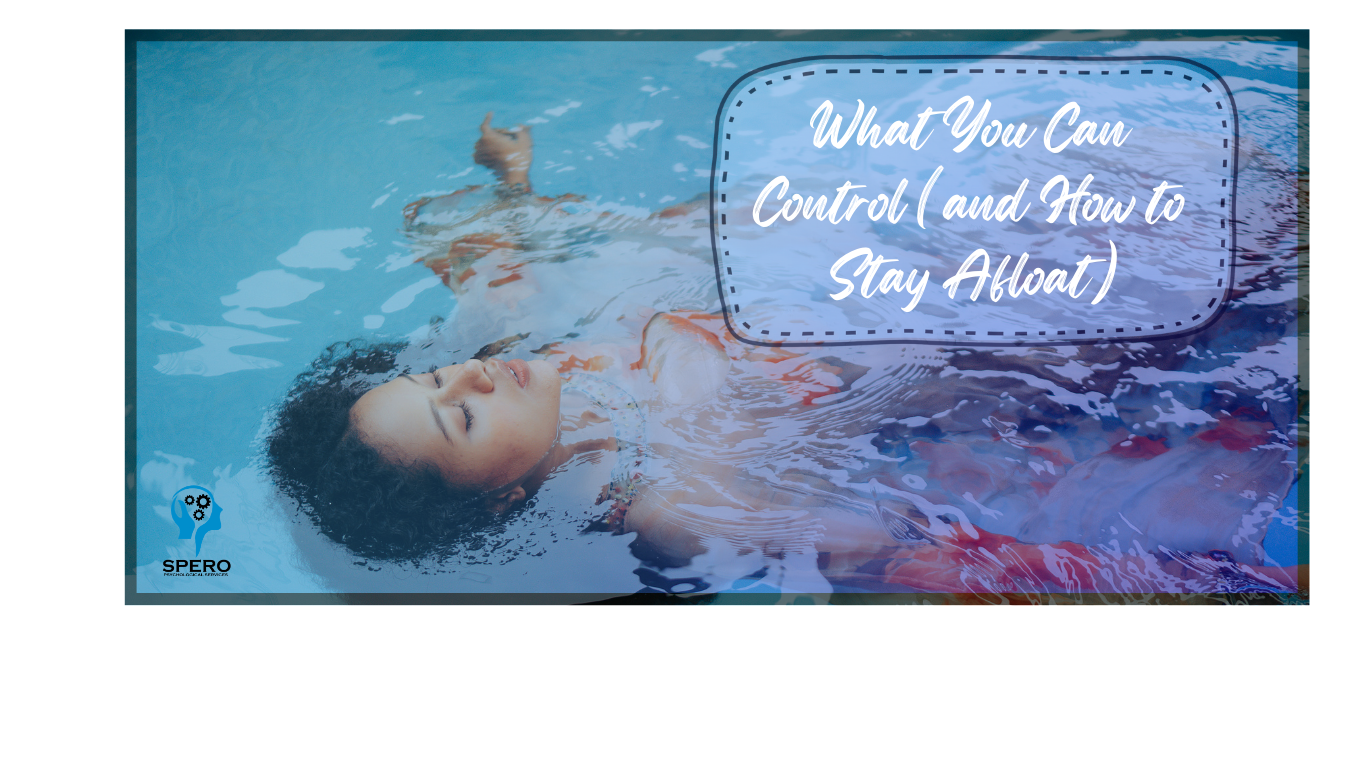
When the World Feels Too Loud:
When life feels like it’s pulling you under, the instinct is to fight the whole current at once. To fix everything. To solve everything. To carry more than you were ever meant to hold.
But staying afloat isn’t about controlling the water around you. It’s about learning how to steady yourself within it.
This is a reminder that even in overwhelming seasons, you still have power—over your response, your focus, your next small decision. And sometimes, that small control is exactly what keeps you from going under.
When It Feels Impossible: 10 People Who Kept Going Anyway
There are seasons where your goal feels so far away it’s almost painful to name.
You’re doing the work, making the effort—and still hearing “no.”
Motivation fades. Confidence wobbles. Hope starts to feel expensive.
If that’s where you are right now, here’s the reminder you might need:
Impossible is often just “not yet.”
And “not yet” doesn’t mean you’re done.
We tend to remember success stories for their endings, not their middle chapters—the rejection, the doubt, the adjustments no one applauded. Not because struggle is required for greatness, but because persistence often looks quiet, imperfect, and deeply human.
The stories that follow aren’t about glorifying hardship. They’re about recognizing a pattern most of us live through: rejection, adjustment, repetition. You can feel discouraged and still keep moving. You can question yourself and still be building something that matters.
Sometimes progress isn’t loud. Sometimes it’s just choosing not to quit—one more time

New Year, Real Life: How to Build Positive Habits That Actually Stick
Healthy habits aren’t about willpower or perfect routines—they’re about building practices that work in real life. When schedules change, energy dips, or stress shows up, the habits that last are the ones designed to flex. Small, repeatable actions, anchored to what you already do, create steady progress without burnout. This is a gentler, more sustainable way to support your health, one habit at a time.
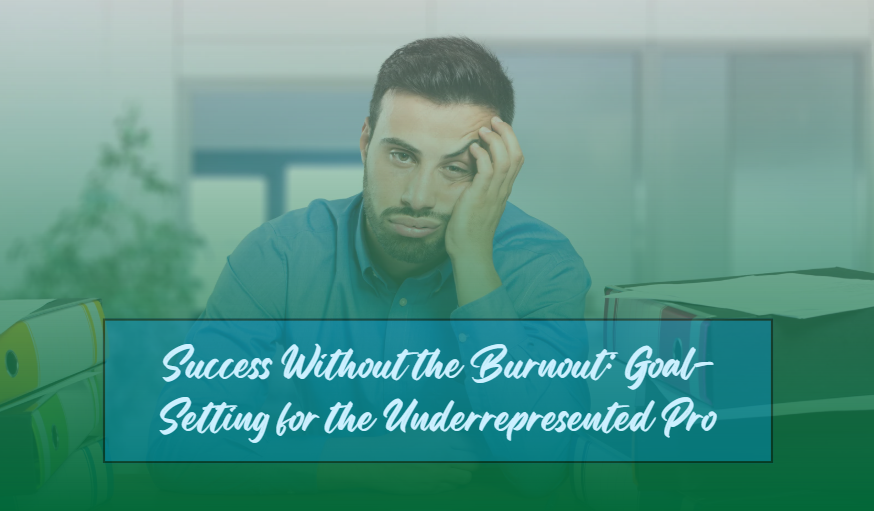
Reasons High-Achieving Professionals Don’t Hit Their Goals
High-achievers don’t miss goals because they lack discipline. Goals are shaped by nervous system capacity, burnout, workplace culture, and identity pressure—especially for underrepresented professionals carrying invisible labor. Sustainable success isn’t about trying harder; it’s about creating goals that protect well-being and fit real life.

Holding Yourself Accountable
Accountability isn’t about blaming yourself. It’s about recognizing what’s in your control—your time, energy, and boundaries—while refusing to shame yourself for what isn’t. You don’t need perfection to make progress; you just need a resilient mindset that lets you learn, reset, and try again with better tools.